

3 Main Benefits of Low E Windows
If you’re shopping for new windows, you’ve probably heard the term “Low E.” So, what are Low E windows?
Here is the simplest definition: Low Emittance, or Low E, is a razor-thin, colorless, non-toxic coating applied to window glass to improve energy efficiency. These windows are entirely safe and are becoming the standard for energy efficiency in the modern home.
1. Low E Windows Reduce Energy Costs
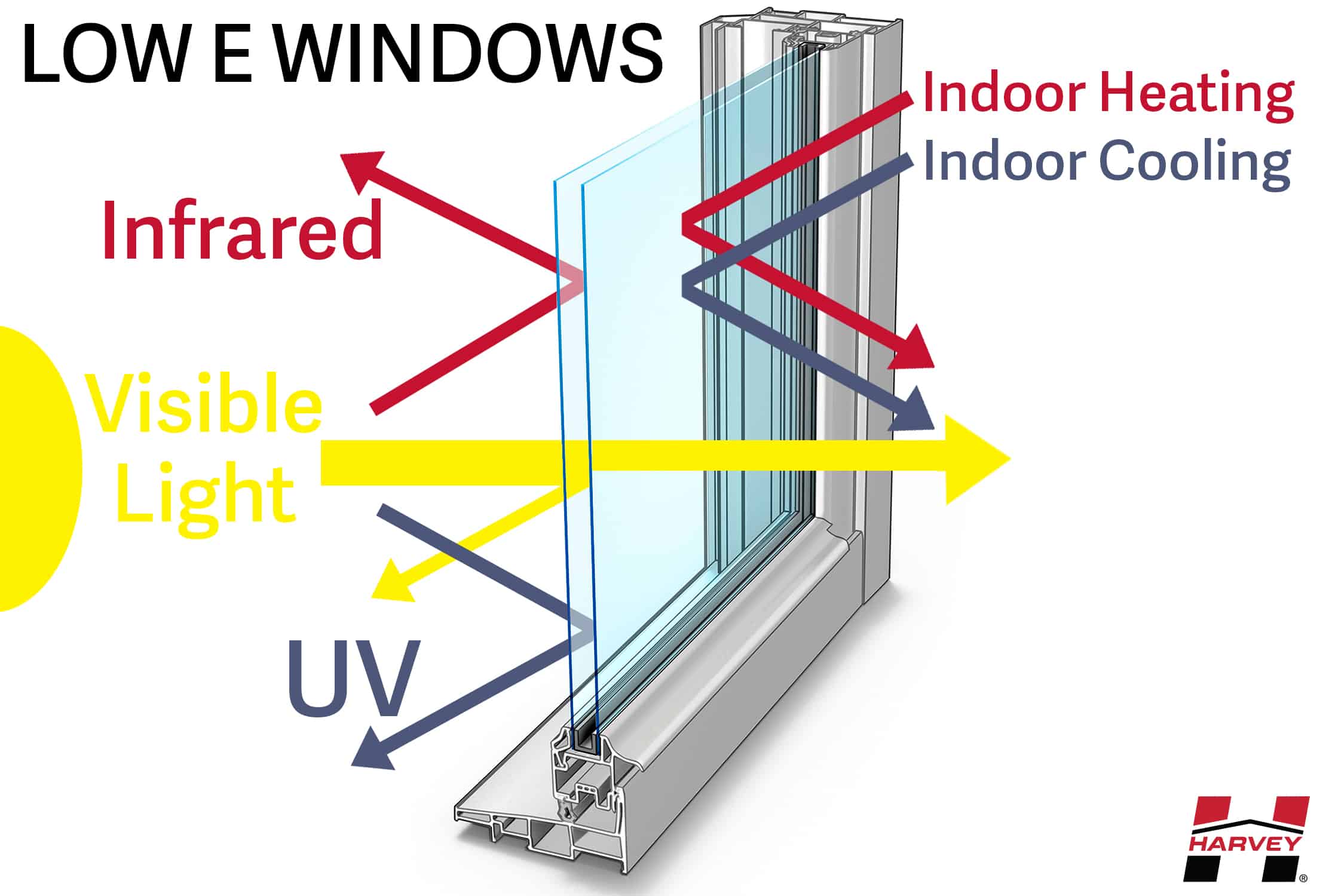
Low E applied to windows helps block infrared light from penetrating the glass from the outside. In addition, Low E helps keep in your heating/cooling energy. Bottom line: they are much more energy-efficient, helping you save on heating and cooling costs and costs associated with running your heating/cooling systems.
2. Low E Windows Reduce Destructive UV Rays
These coatings help reduce ultraviolet (UV) light. UV light waves are the ones that over time will fade color on fabrics and you probably have felt them at the beach (burning your skin). Blocking UV rays save your carpets, furniture, drapes, and floors from fading and sun damage.
3. Low E Windows Do Not Block All Natural Light
Yes, Low E windows block infrared light and UV light, but one other vital component makes up the solar spectrum, visible light. Of course, they will reduce visible light slightly, compared to a clear glass pane. However, plenty of natural light will brighten your room. Because if it didn’t, you might as well just make that window a wall.
Not all Low E windows are the same
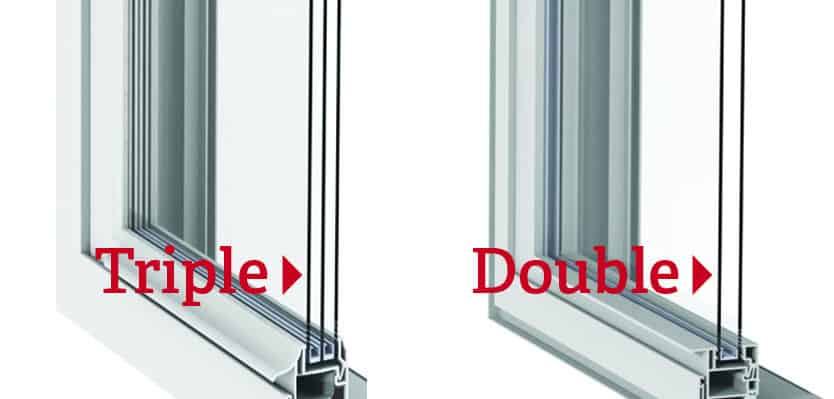
Combining Low E with multiple panes of glass and gas fills such as Argon, increases energy efficiency even more. Other features, like weatherstripping and frame and sash construction have an effect. And remember to cater your window decisions around your climate zone.
Also, if receiving tons of natural light is essential to you, be sure to ask about a window’s visible transmittance (VT) rating. This rating should be readily available for any window your considering.
Get Insights to your Inbox |
|
Stay up-to-date with the latest trends and news. |